

About diabetes
Diabetes is a condition where there is too much glucose in the blood. The body can’t make insulin, enough insulin or is not effectively using the insulin it does make. Over time high glucose levels can damage blood vessels and nerves, resulting in long term health complications including heart, kidney, eye and foot damage.

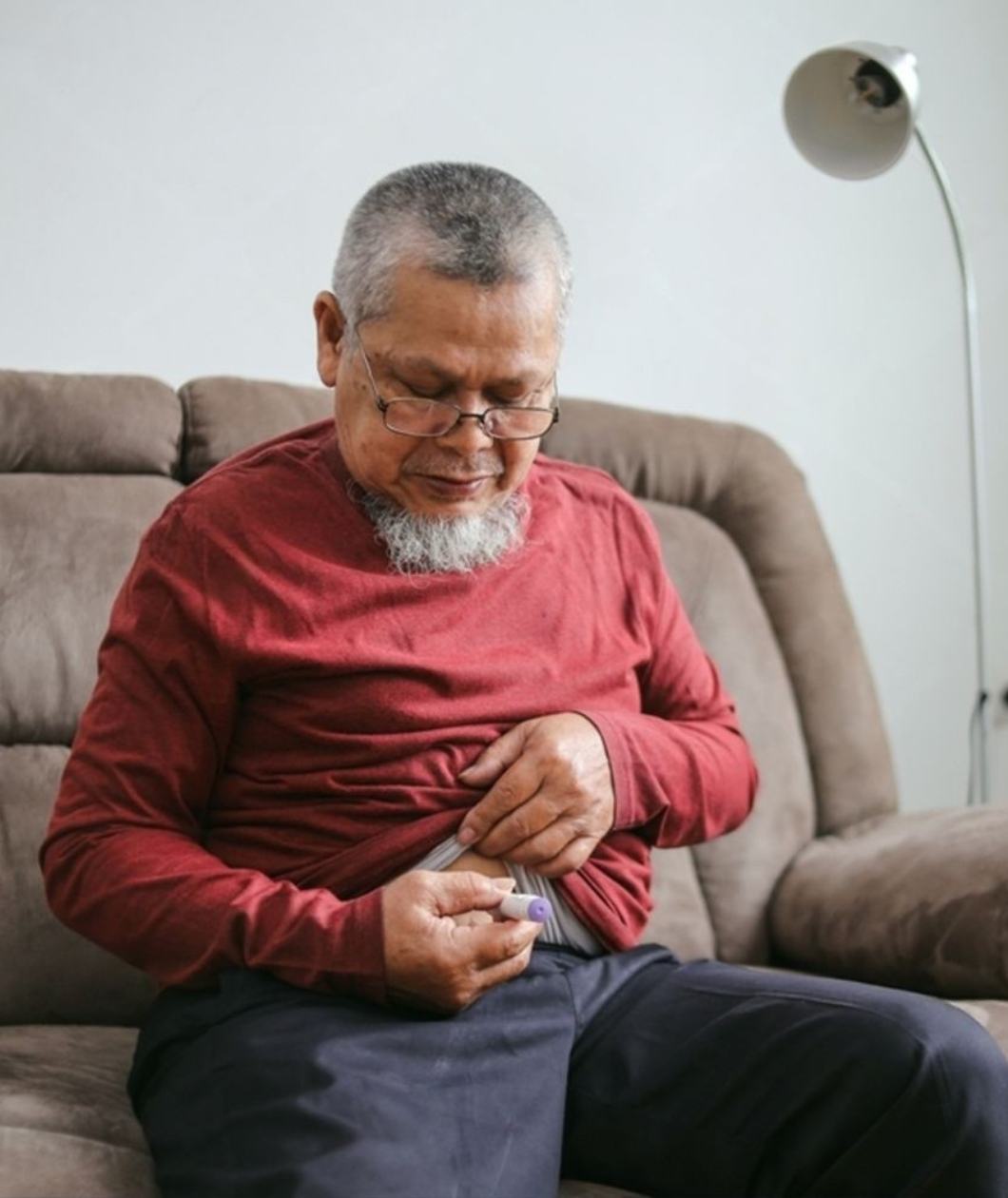
Type 1 diabetes
Type 1 diabetes is an autoimmune condition where the body’s own immune system is activated to destroy the beta cells in the pancreas which produce insulin. We do not know what causes this autoimmune reaction however environmental factors are thought to set off the process. Type 1 diabetes is not linked to modifiable lifestyle factors. Currently there is no cure and it is lifelong.
Type 1 diabetes:
- Occurs when the pancreas does not produce insulin
- Represents around 10 per cent of all cases of diabetes and is one of the most common chronic childhood conditions
- In children, onset is usually abrupt and the symptoms obvious
- In adults, onset is slower
- Symptoms can include excessive thirst and urination, unexplained weight loss, weakness and fatigue and blurred vision
- Is managed with insulin injections several times a day or the use of an insulin pump

Type 2 diabetes
Type 2 diabetes is a condition in which the body becomes resistant to the normal effects of insulin and gradually loses the capacity to produce enough insulin in the pancreas. The condition has strong genetic and family-related (non-modifiable) risk factors and is also often associated with modifiable lifestyle risk factors. We do not know the exact genetic causes of type 2 diabetes. People may be able to significantly slow or even stop the progression of the condition through changes to diet and increasing the amount of physical activity they do.
Type 2 diabetes:
- Is diagnosed when blood glucose levels are high due to insulin produced by the pancreas not working effectively and/or the cells of the body do not respond to insulin effectively (known as insulin resistance), over time the condition progresses and the pancreas does not produce enough insulin (reduced insulin production)
- Represents 85–90 percent of all cases of diabetes
- Usually develops in adults over the age of 45 years but is increasingly occurring in younger age groups including children, adolescents, and young adults
- Is more likely in people with a family history of type 2 diabetes or from particular ethnic backgrounds
- Can develop from the long-term use of corticosteroids to treat other health conditions
- For some, the first sign may be a complication of diabetes such as a heart attack, vision problems or a wound that does not heal well
- Is managed with a combination of regular physical activity, healthy eating, and weight reduction. As type 2 diabetes can be progressive, many people will need oral medications and/or insulin injections in addition to lifestyle changes over time

Gestational diabetes
Gestational diabetes mellitus (sometimes referred to as GDM) is a type of diabetes that occurs during pregnancy.
Women with gestational diabetes can still have a healthy baby but it is important that gestational diabetes is managed to reduce the risk of developing complications during pregnancy.
Gestational diabetes will not lead to your baby being born with diabetes, however, can increase the risk of your baby developing type 2 diabetes later in life.
Gestational diabetes is diagnosed when higher than normal blood glucose levels first appear during pregnancy. Most women with gestational diabetes will no longer have diabetes after the baby is born. However, some women will continue to have high blood glucose levels after delivery.
Gestational diabetes is the fastest growing type of diabetes in Australia, affecting thousands of pregnant women. Between five and 10 per cent of pregnant women will develop gestational diabetes. All pregnant women should be tested for gestational diabetes at 24-28 weeks of pregnancy (except those women who already have diabetes). Women who have risk factors for gestational diabetes should be tested earlier in their pregnancy.
NDSS – National Diabetes Services Scheme
Please note: diabetesshop.com is not an NDSS Access Point, we are unable to offer subsidised prices.

The National Diabetes Services Scheme (NDSS) helps you self-manage your diabetes by providing education, support and subsidised products.
When you are first diagnosed with diabetes, your GP, health practitioner or diabetes educator will help register you with the NDSS. Once you are registered, some of the essential products you need to manage your diabetes are available to you at a subsidised price.


